
Methylphenidate/Ritalinic Acid (RTU) Forensic Kit: An Essential Tool for Forensic Toxicology
The Methylphenidate/Ritalinic Acid (RTU) Forensic Kit is a specialized tool for detecting methylphenidate (commonly known as Ritalin) and its primary metabolite, ritalinic acid, in biological samples. This kit is widely used in forensic toxicology to ensure accurate, reliable, and sensitive analysis, aiding in legal and medical investigations. Below, we explore the kit’s purpose, applications, and significance while including hyperlinks to authoritative .edu and .gov resources for further reference.
Understanding Methylphenidate and Ritalinic Acid
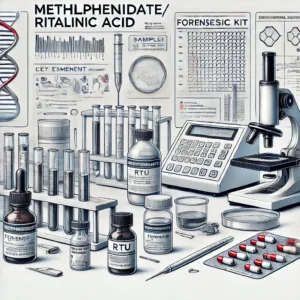
Methylphenidate is a central nervous system stimulant prescribed primarily for treating attention-deficit hyperactivity disorder (ADHD) and narcolepsy. Upon metabolism, it is converted into ritalinic acid, detectable in biological matrices such as urine, blood, and hair. To explore the pharmacology of methylphenidate, visit the National Center for Biotechnology Information (NCBI) and the National Institute on Drug Abuse (NIDA).
Applications of the RTU Forensic Kit
1. Substance Abuse Investigations
The RTU Forensic Kit plays a critical role in identifying abuse or misuse of methylphenidate. For data on stimulant misuse, refer to the Substance Abuse and Mental Health Services Administration (SAMHSA).
2. Workplace Drug Testing
Methylphenidate detection is increasingly vital in workplace drug testing programs. More information on workplace drug testing guidelines is available from the Department of Health and Human Services (HHS).
3. Clinical and Legal Investigations
The kit aids clinicians and forensic experts in understanding stimulant-related overdose or legal disputes. Detailed case studies are accessible via PubMed.
Features of the Methylphenidate/Ritalinic Acid RTU Forensic Kit
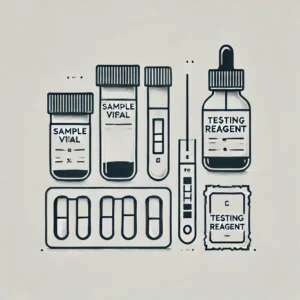
- Ready-to-Use (RTU): The kit requires minimal preparation, ensuring efficiency and ease of use in forensic laboratories.
- High Sensitivity: Detects trace levels of methylphenidate and ritalinic acid, ensuring accurate results.
- Wide Applicability: Suitable for various sample types, including urine, plasma, and hair. For details on forensic testing methodologies, visit the Federal Bureau of Investigation (FBI) and the National Institute of Standards and Technology (NIST).
Advantages of the RTU Forensic Kit
1. Enhanced Accuracy
The kit provides robust and reproducible results, meeting forensic standards outlined by the American Society of Crime Laboratory Directors (ASCLD).
2. Comprehensive Detection
Its ability to detect parent compounds and metabolites ensures comprehensive analysis. Learn more about forensic toxicology techniques at the Society of Forensic Toxicologists (SOFT).
3. Streamlined Workflow
The ready-to-use format reduces time and labor, facilitating high-throughput analysis. Guidelines for optimizing laboratory workflows can be found at CDC’s Laboratory Guidelines.
Regulatory and Ethical Considerations
1. Compliance with Federal Standards
The RTU Forensic Kit complies with forensic testing standards established by the Food and Drug Administration (FDA).
2. Ethical Use
The kit should be employed responsibly, ensuring adherence to privacy and ethical guidelines outlined by the Office for Human Research Protections (OHRP).
Future Directions in Forensic Toxicology
1. Advanced Detection Techniques
The integration of advanced mass spectrometry methods with forensic kits promises enhanced detection capabilities. Explore cutting-edge research at the NIH.
2. Broader Applicability
Expanding forensic tools to detect other stimulants can aid in tackling drug abuse crises. Learn about ongoing initiatives at the DEA Diversion Control Division.
Conclusion
The Methylphenidate/Ritalinic Acid (RTU) Forensic Kit is indispensable for forensic toxicology, enabling precise and efficient detection of methylphenidate and its metabolite. Its applications extend from substance abuse investigations to legal and clinical contexts, making it a critical asset for forensic professionals. For further information, explore trusted resources such as FDA, NIDA, and NIH.